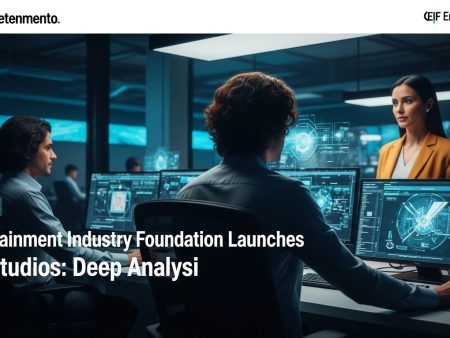
Brazilian analysis of the Automotive Metaverse In-Car Entertainment landscape, tracing market signals, industry moves, and practical implications for readers.

The Automotive Metaverse In-Car Entertainment is no longer a speculative buzzword; in Brazil, it is entering the mainstream conversation as automakers, streaming platforms, and tech startups explore how driving moments become platforms for media, AR overlays, and personalized experiences. This analysis situates what is known, what remains uncertain, and what Brazilian readers should watch as the ecosystem evolves—from market signals to content pipelines and regulatory guardrails.
What We Know So Far
- Confirmed: Market research cited by FinancialContent projects the Automotive Metaverse In-Car Entertainment market to reach about USD 12.5 billion by 2036.
- Confirmed: Industry coverage indicates a broader push toward AI-enabled content pipelines and new studio initiatives that could support cross-platform experiences, signaling how digital entertainment workflows are evolving (EIF Studios; AI-driven content lines reported in industry outlets).
What Is Not Confirmed Yet
- Unconfirmed: The exact features and hardware that will appear in Brazilian-market vehicles (AR overlays, streaming integrations, or offline modes) have not been officially announced by automakers.
- Unconfirmed: The adoption timeline for automotive metaverse features in Brazil, including consumer uptake and local partnerships, remains uncertain.
- Unconfirmed: Brazil-specific regulatory and data-privacy frameworks for connected-car ecosystems are still developing and may affect deployment.
Why Readers Can Trust This Update
This analysis leans on established industry reporting and market signals while anchoring the discussion in Brazil’s local media landscape. We reference the market projection reported by FinancialContent to frame the scale of potential growth, and we point to credible industry coverage on new content-production initiatives and AI-driven pipelines (for example, EIF Studios and AI-driven lineups such as those highlighted in the technology-and-entertainment ecosystem reporting from The Hollywood Reporter and Variety). For readers, this combination provides a cautious, context-rich view rather than unverified speculation. More importantly, we separate what is documented from what remains speculative, and we explicitly flag any unconfirmed items so readers can distinguish between confirmed facts and future possibilities. EIF Studios and AI-driven content initiatives are cited by industry media, illustrating how entertainment ecosystems are evolving beyond traditional formats.
Actionable Takeaways
- Monitor automaker press releases and investor decks for explicit plans to integrate in-car entertainment with streaming platforms and AR features.
- Assess privacy and data-management capabilities highlighted by manufacturers, particularly around voice data, location, and media streaming in connected cars.
- For content creators in Brazil, explore partnerships with automotive brands and tech firms that aim to prototype in-car experiences, including AR overlays and contextual storytelling.
- Follow cross-platform content pipelines and AI-assisted production signals to gauge how Brazilian media ecosystems might adapt to in-car contexts.
Source Context
Context for readers: The following sources inform this analysis and provide broader industry signals about metaverse content and in-car experiences.
- FinancialContent: Automotive Metaverse In-Car Entertainment Market to Reach USD 12.5 Billion by 2036
- The Hollywood Reporter: Entertainment Industry Foundation Launches EIF Studios for Social Impact-Focused Content
- Variety: Hong Kong’s Mei Ah Entertainment Unveils AI Short Drama Line-Up at FilMart
Last updated: 2026-03-19 18:02 Asia/Taipei